We strengthen the global optics and photonics community through conferences, publications, and professional development, bringing together engineers, scientists, students, and industry leaders to advance light-based science and technologies. Inspired by the transformative power of photonics to enhance life around the globe, over the past five years SPIE has contributed more than $22 million to the international optics community.

SPIE partners with researchers, educators, and industry to advance light-based research and technologies for the betterment of the human condition.
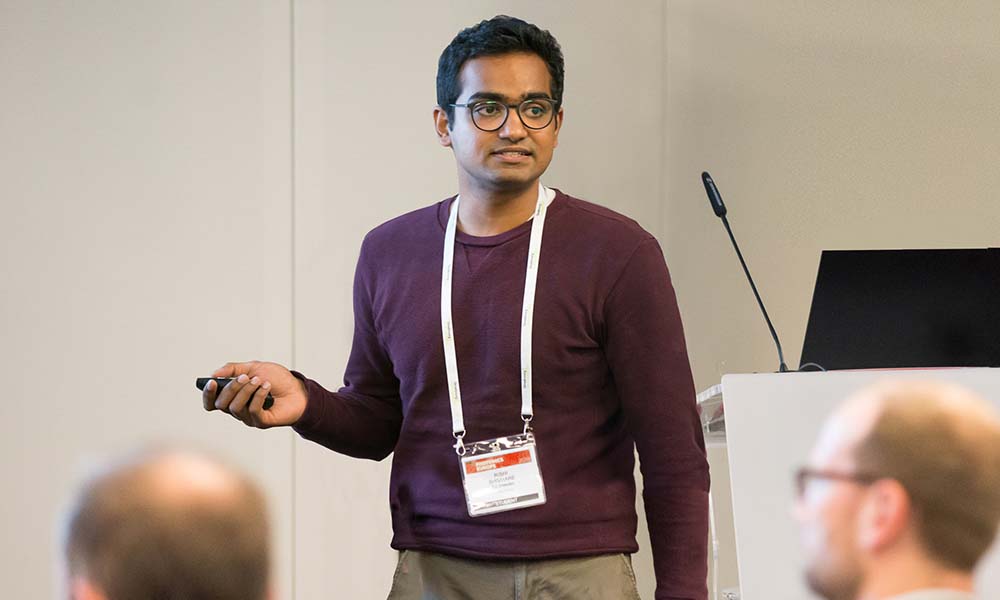
Each year, SPIE organizes and sponsors approximately 25 major technical forums, exhibitions, and education programs in North America, Europe, Asia, and the South Pacific, where more than 35,000 scientists, engineers, and entrepreneurs showcase the latest innovations across a wide range of technologies.
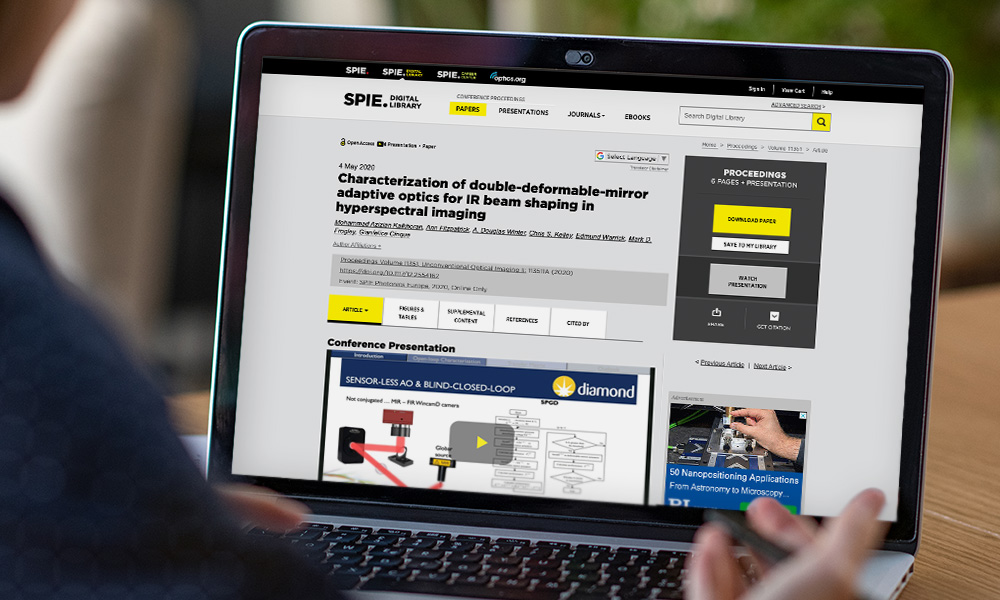
SPIE publishes the SPIE Digital Library, the world’s largest collection of optics and photonics applied research with more than 565,000 papers from SPIE journals, conference proceedings, presentations, and posters, and eBooks. Research spans biomedicine, communications, sensors, defense and security, manufacturing, electronics, energy, and imaging.
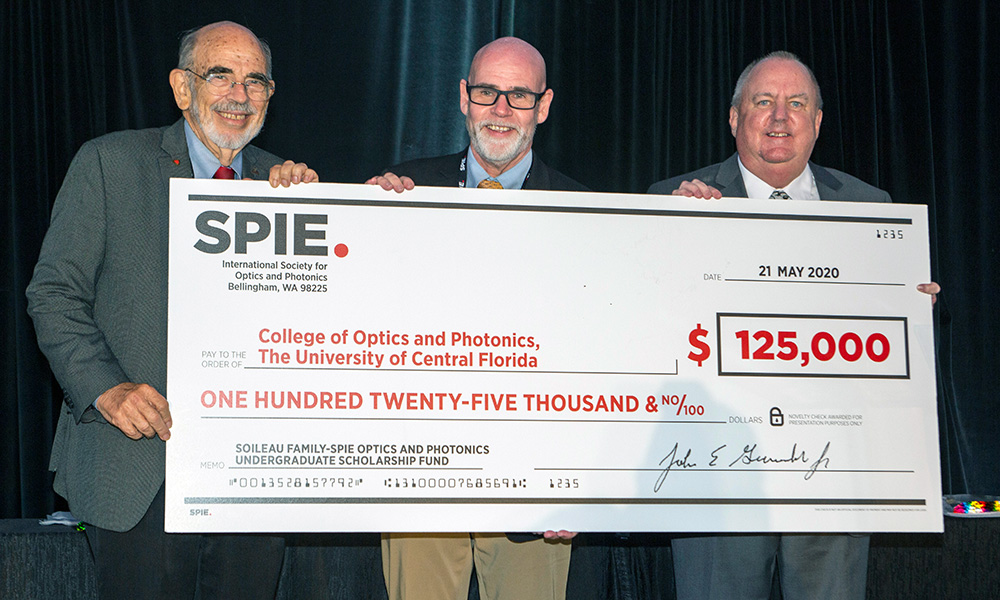
Over the past five years, SPIE has contributed more than $22 million to the international optics community through our advocacy and support, including scholarships, educational resources, travel grants, endowed gifts, and public-policy development.
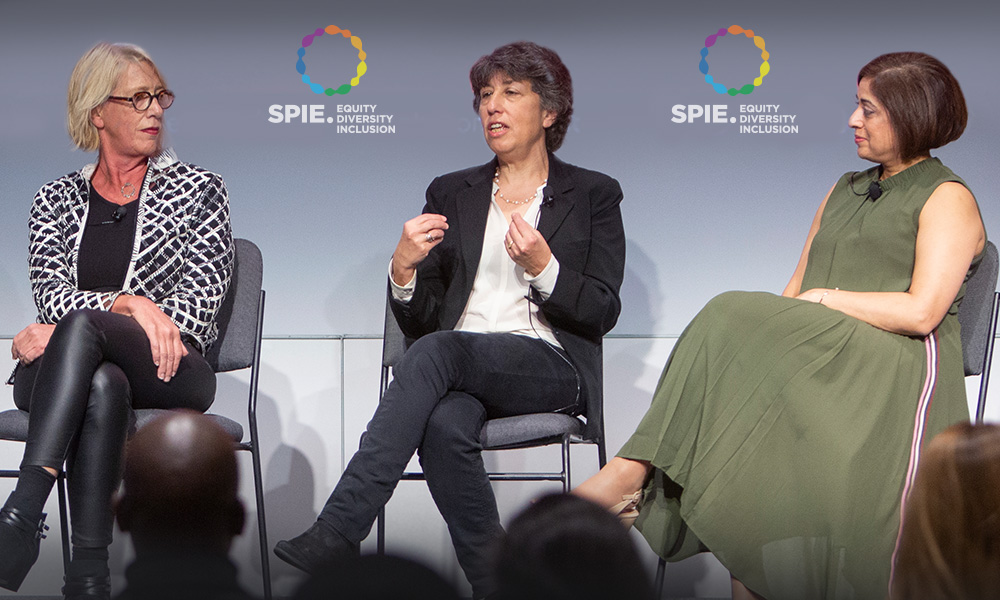
SPIE believes that bringing together people from different backgrounds, experiences, and perspectives supports innovation through a diversity of ideas, helping to solve challenges faced by our world. Collaborative environments that value inclusion will ultimately have a positive impact on the science of light.
Members all over the world and across disciplines have gained a competitive advantage by using SPIE to stay current and involved. Whether you are pushing the frontier of research, engineering a better product, working on new applications, or building a business, SPIE has the resources to help you.
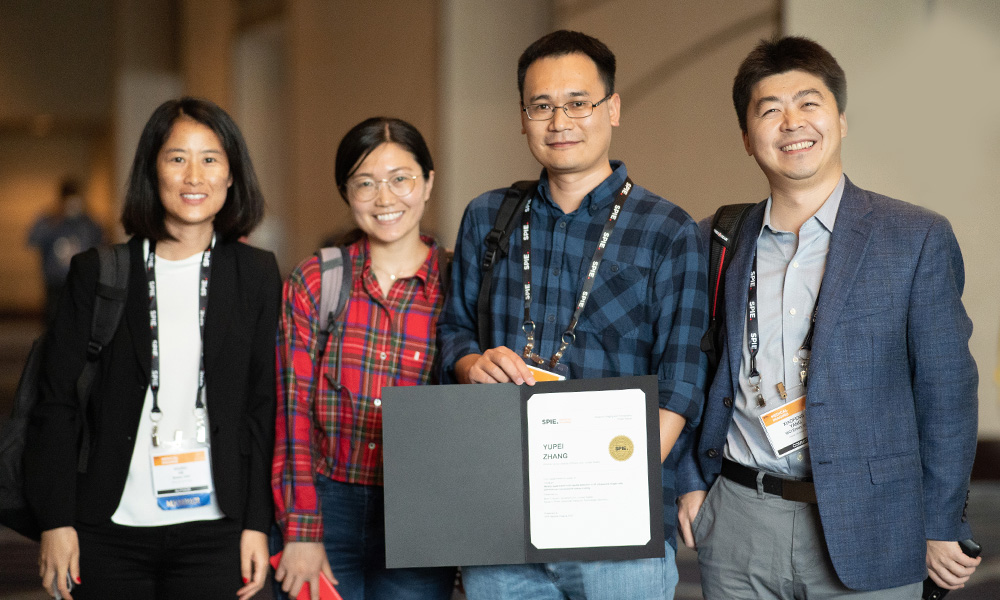
Since 1959, SPIE has honored excellence in optics and photonics for significant achievements and contributions in advancing the science and technology of light. More than 20 individuals are recognized each year through our Society Awards Program.

The collective talent and dedication of our Members make the Society a powerful force in the science and engineering community. Shaping the direction are the SPIE Board of Directors, Executive Committee, and Standing Committees.

SPIE aims to influence decisions and attitudes within political, economic, professional, and educational institutions in support of its Members and the optics and photonics community worldwide.